 19 minutes read
A litigation team can have excellent attorneys and still lose momentum when discovery responses sit unreviewed, deposition materials are scattered, or a filing deadline lives in someone's inbox instead of the docket. In that environment, asking what does a litigation paralegal do should produce a more useful answer than “handles paperwork.”
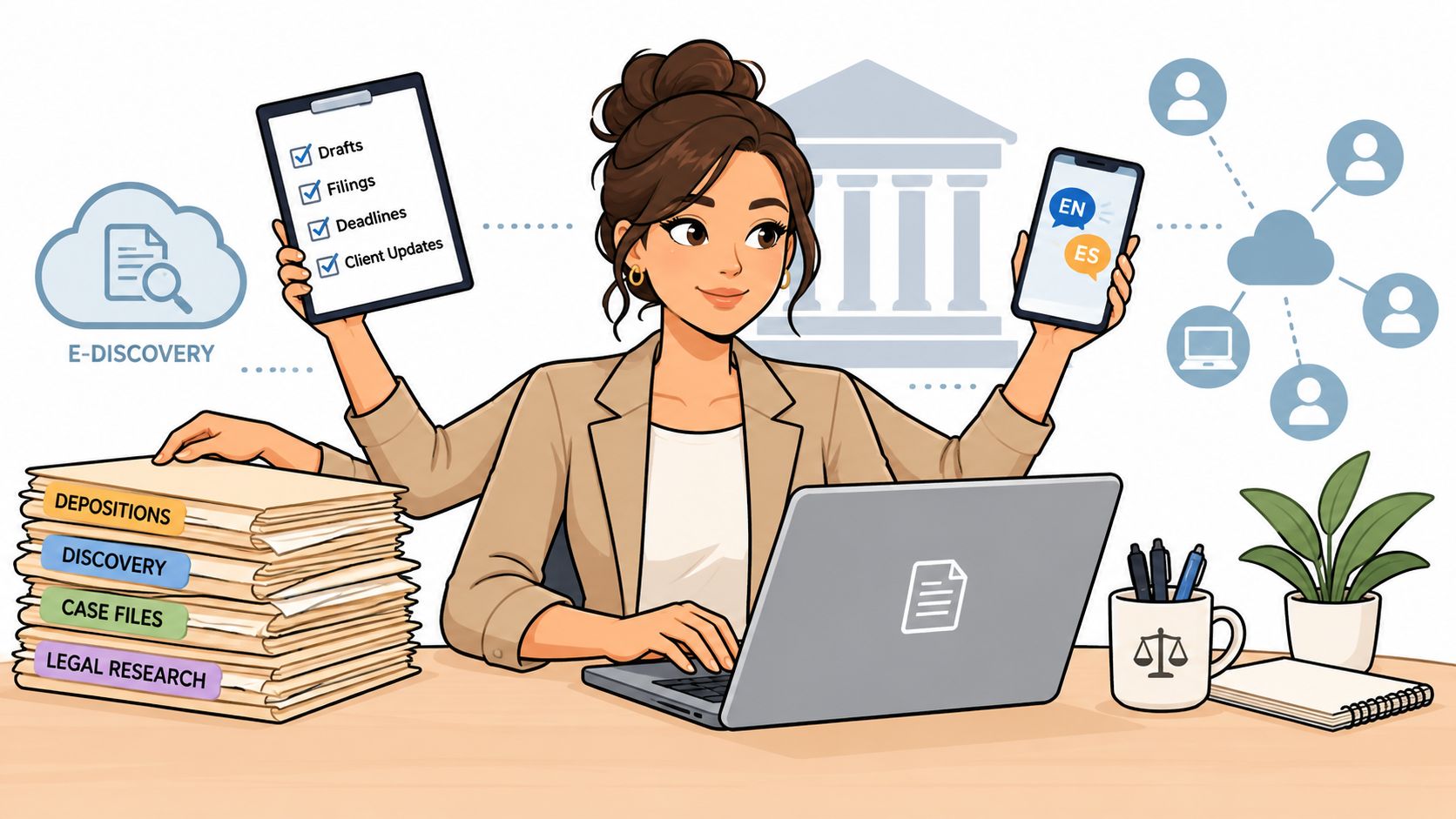
A litigation paralegal manages the operational flow of a case under attorney supervision. That can include investigating facts, organizing pleadings, tracking deadlines, coordinating discovery, reviewing records, preparing witnesses, managing exhibits, and keeping the attorney, client, opposing counsel, and vendors aligned. The role has become especially valuable in document-heavy civil practices, where case progression depends on disciplined information management as much as legal judgment.
The best paralegals don't replace attorneys or make independent strategic decisions. They extend attorney capacity by turning a complex litigation plan into a controlled workflow. This guide explains the role across the case lifecycle, the growing responsibility for electronically stored information, the limits imposed by unauthorized-practice rules, and the operational trade-offs of remote and bilingual staffing.
When a case team is bottlenecked, the problem often isn't a lack of legal knowledge. The attorney may know the next motion to file, the witness to prepare, or the settlement position to evaluate. The problem is that medical records, emails, pleadings, deposition transcripts, deadlines, client questions, and opposing counsel communications aren't moving through a reliable system.
That is where a litigation paralegal earns operational trust. The paralegal converts the attorney's direction into assigned tasks, organized records, calendar controls, and deliverables that can be reviewed before they reach a client, court, or opposing party. The job is best understood as case-workflow management under attorney supervision, not as general clerical assistance.
The profession developed in the mid-1960s during President Lyndon B. Johnson's War on Poverty, when federally funded legal aid programs used paralegals to lower the cost of serving low-income clients. The historical account in this overview of the paralegal profession shows how the role began as a hands-on support function and developed into a structured part of legal service delivery.
Modern litigation retains that practical foundation, but the workload is broader. A paralegal may investigate facts, maintain legal documents, draft correspondence and pleadings, obtain affidavits, coordinate hearings, prepare exhibits, and assist with trial logistics. In major litigation markets, job responsibilities also commonly include discovery management, deposition preparation, trial binders, cite-checking, and case management across federal and state matters.
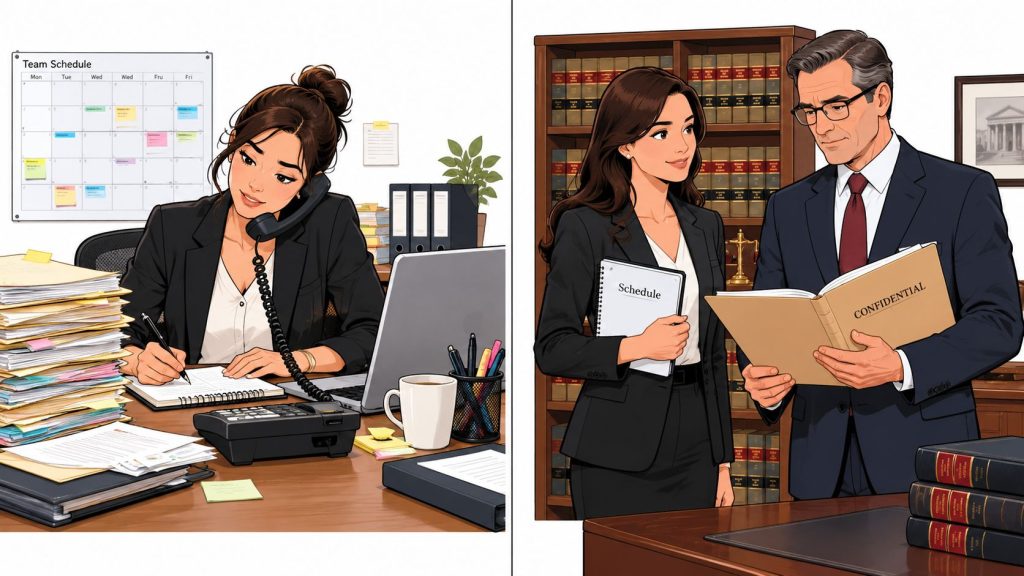
The distinction between a litigation paralegal and a legal secretary is useful when assigning work. A secretary may focus primarily on administrative support, correspondence, calendaring, and document production. A litigation paralegal is more involved in the factual and procedural substance of a case, although responsibilities vary by firm. The difference between a paralegal and a legal secretary should be clear before a firm writes a job description or sets performance expectations.
The return on a litigation paralegal isn't the number of tasks completed. It comes from keeping attorneys focused on activities that require legal judgment, advocacy, negotiation, and client counseling while the paralegal controls repeatable case processes.
That return depends on quality. A paralegal who creates an unreliable deadline list, saves documents inconsistently, or sends client communications without clear review rules can create more risk than capacity. A strong paralegal, by contrast, makes the status of each matter visible, identifies missing information early, and gives the attorney a prepared work product rather than an unstructured pile of files.
The U.S. Bureau of Labor Statistics projects 4% employment growth for paralegals and legal assistants from 2024 to 2034, about as fast as the average for all occupations, as described in its occupational profile for paralegals and legal assistants. That projection aligns with what high-volume firms experience operationally: litigation teams still need people who can coordinate documents, deadlines, evidence, and procedural execution even as software automates parts of the work.
A litigation paralegal's workload follows the case, but it doesn't move in a perfectly straight line. Discovery may reveal facts that require more investigation. A deposition may create a new document request. A court order may change the preparation sequence. The paralegal keeps the matter organized while the attorney revises strategy.
At intake, the paralegal may collect the client's preliminary facts, identify relevant documents, organize contact information, and open the matter in the firm's case-management system. Depending on the firm's procedures, the paralegal may also support conflict-check intake and request records from the client or third parties.
The quality of this stage affects every later stage. A missing date in the initial chronology can make a later medical-record review harder. An unidentified witness can remain absent from the investigation until discovery deadlines are close. The paralegal should therefore create a factual record that is easy for the attorney to evaluate, without presenting legal conclusions or promising an outcome to the prospective client.
For a personal-injury practice, that record may include incident reports, treatment records, billing records, photographs, insurance correspondence, and witness information. For a commercial dispute, it may include contracts, amendments, invoices, relevant emails, and a timeline of performance or breach.
After the firm accepts a matter, the paralegal helps organize pleadings and supporting documents. Responsibilities can include preparing first drafts for attorney review, formatting filings, checking citations and internal references, coordinating signatures, and confirming that required materials are ready for filing.
Deadline control is one of the clearest places where a paralegal extends attorney capacity. The docket should show not only the court's deadline, but also the firm's internal review date, the person responsible, the status of the deliverable, and any dependency that could delay completion. A filing that is technically drafted but still lacks an exhibit, verification, signature, or attorney approval isn't complete.
Discovery is where the role becomes especially document-intensive. A litigation paralegal may help draft and serve interrogatories, requests for production, requests for admission, and responses, always subject to attorney direction and review. Job descriptions for litigation paralegals also commonly include drafting discovery materials and managing deposition preparation.
The paralegal tracks service dates, response deadlines, deficiencies, meet-and-confer activity, and the status of productions. They may organize documents for attorney review, prepare witness materials, attend depositions, manage exhibits, and summarize transcripts. For a medical-practice defendant or personal-injury plaintiff, reviewing medical and billing records may involve building a chronology and reconciling treatment dates with expense summaries.
The American Bar Association describes litigation-paralegal work that includes reviewing discovery responses and medical records, updating chronologies and expense summaries, and preparing trial subpoenas. These tasks show why the role is substantive workflow support, not merely document filing.
For motion practice, the paralegal assembles the factual record, gathers exhibits, checks citations, prepares filing materials, and maintains the motion deadline. The attorney decides the legal argument and approves the final work product. The paralegal's contribution is making the relevant evidence accessible and the filing process controlled.
As trial approaches, the work shifts toward readiness. Typical deliverables include witness binders, exhibit lists, deposition designations, subpoenas, courtroom technology plans, and logistics for witnesses and vendors. The paralegal may also coordinate trial materials across attorneys, experts, consultants, and support staff.

Practical rule: A case isn't trial-ready because a binder exists. It's trial-ready when the team can locate the correct evidence, confirm its status, identify the responsible person, and use it without recreating the file under pressure.
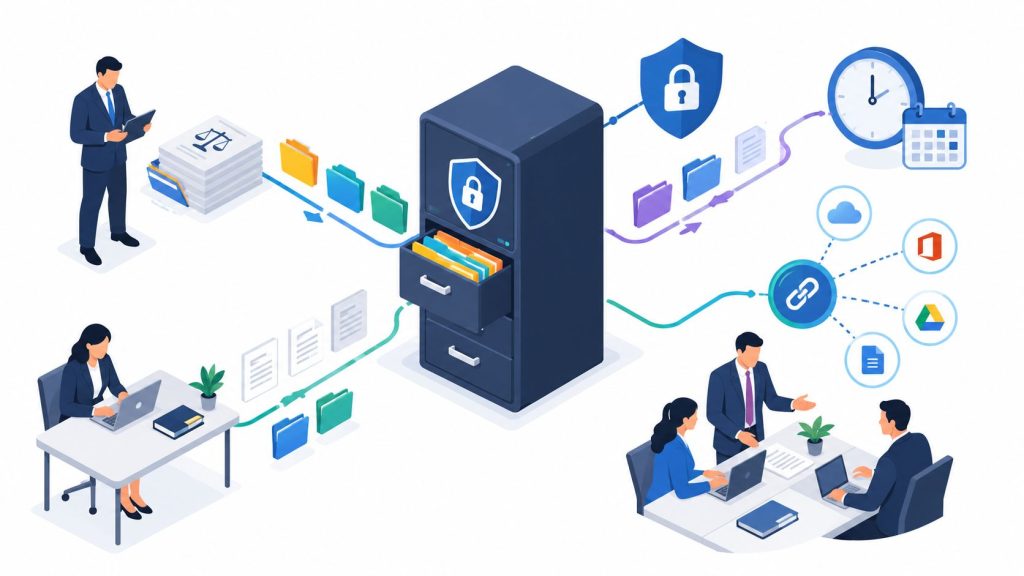
A modern litigation paralegal often serves as the coordination point between attorneys, clients, litigation-support vendors, and information-technology personnel. The work involves electronically stored information, or ESI, such as emails, attachments, shared-drive files, spreadsheets, messages, photographs, and other digital records.
The paralegal doesn't decide the legal scope of discovery independently. Instead, they help turn the attorney's preservation, collection, review, and production requirements into a defensible operating process.
The first operational question is what information may be relevant and where it exists. Potential sources can include employee mailboxes, document-management systems, mobile devices, cloud storage, accounting platforms, and collaboration tools. A paralegal may create a custodian list, record collection status, coordinate with IT or a vendor, and maintain a log of what was collected and when.
That log matters because litigation teams need to explain how information moved from its original location into the review and production process. A disorganized collection can cause duplicate handling, missing records, unclear ownership, or unnecessary review expense. The paralegal's job is to make the process visible and repeatable, while attorneys determine legal obligations and approve the approach.
Once data enters a review platform, the paralegal may help establish folders, tags, coding instructions, privilege categories, issue labels, and production sets. They may review opposing productions, identify duplicate or incomplete materials, summarize deposition transcripts, and prepare witness files.
The value isn't just faster searching. Better tagging helps the attorney find related documents, compare accounts, identify gaps, and prepare for testimony without repeatedly opening the same files. Neutral industry guidance describes the paralegal's ESI role as collecting, reviewing, categorizing, and producing digital records while coordinating with legal and IT teams to support compliance with federal law, as discussed in this explanation of litigation-paralegal responsibilities.
A useful review process should answer four questions for every production:
E-discovery software can reduce manual sorting and make large collections searchable, but it doesn't eliminate judgment. Keyword searches can miss relevant records because people use abbreviations, informal language, spelling variations, or personal devices. Automated categorization can also misclassify a privileged communication or overlook the importance of an apparently routine document.
The paralegal should test searches, document review decisions, maintain clear naming conventions, and escalate uncertainty. A lawyer should approve privilege calls, production scope, redactions, and strategic interpretations. The operational aim is not to make the paralegal responsible for legal conclusions. It is to ensure that the attorney receives a reliable, traceable information set.
The most valuable e-discovery paralegal isn't the person who clicks through the most documents. It's the person who can explain how the team found, organized, reviewed, and produced the documents.
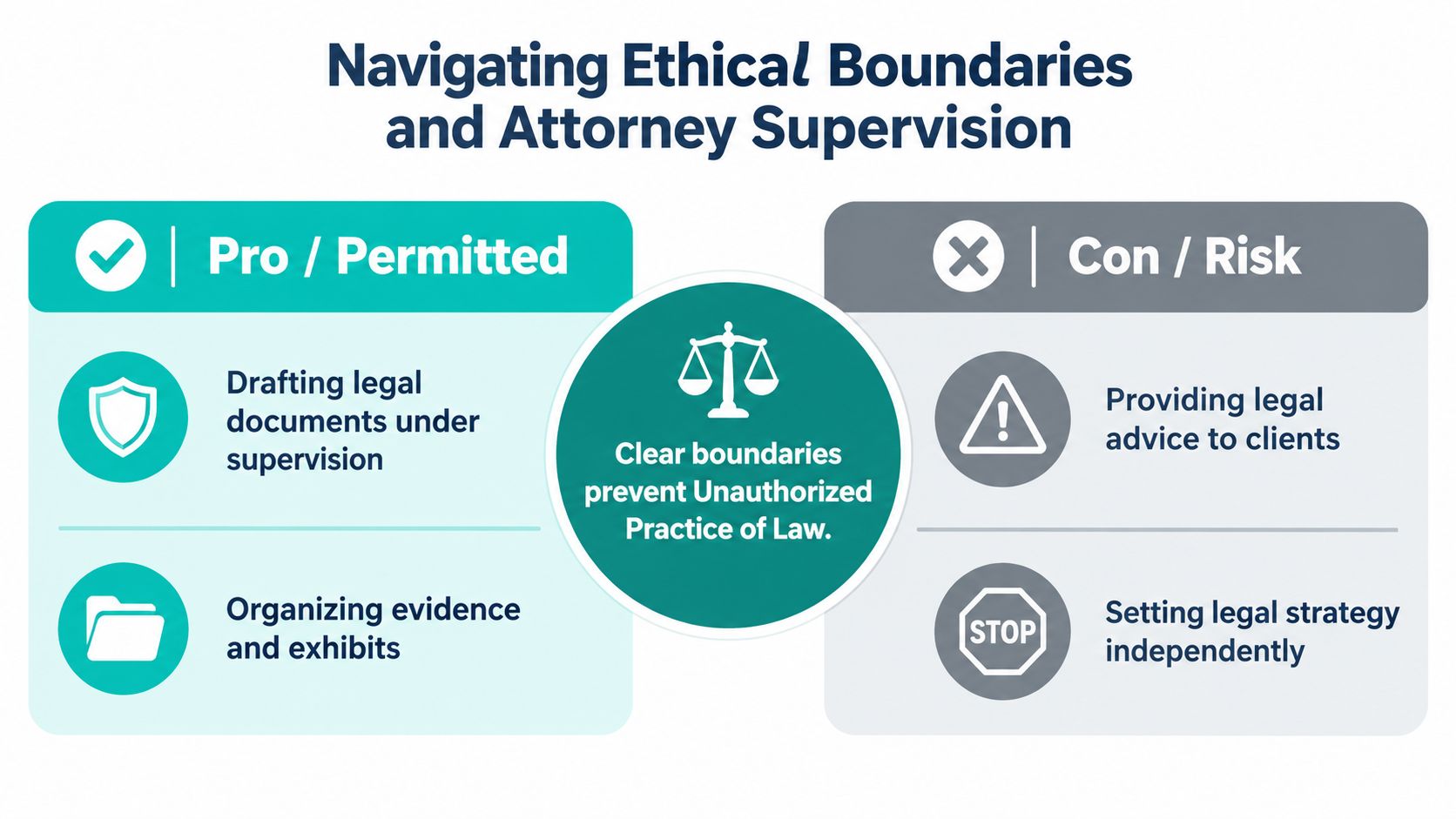
The more capable a paralegal becomes, the more carefully a firm must define delegation. A paralegal may perform substantial legal work, but the role doesn't confer a license to practice law. The dividing line is not how complex a task appears. The question is whether the paralegal is exercising legal judgment reserved for an attorney or performing delegated work within an approved process.
Under attorney supervision, paralegals may research facts, organize evidence, draft correspondence and legal documents, prepare discovery materials, summarize records, coordinate depositions, communicate procedural information to clients, and assist with hearings and trials. The attorney must direct the work, review the appropriate deliverables, and remain responsible for legal advice and strategy.
A paralegal can prepare a draft motion for attorney review. They can organize the authorities and exhibits that support it. They can't decide independently what legal position the firm should take, certify the filing without required attorney involvement, or advise a client about the likely legal result.
The same distinction applies to client communication. A paralegal can request missing records, explain the next procedural step approved by the attorney, schedule a call, and relay a message. They generally can't provide legal advice, set fees, negotiate legal strategy without authorization, or create the attorney-client relationship independently. Independent guidance on paralegal boundaries describes these limits and the need for attorney supervision.
Supervision should be designed into the workflow rather than handled through occasional corrections. Start with a written responsibility matrix that identifies what the paralegal may prepare, what requires attorney review, and what only an attorney may decide.
| Work category | Paralegal contribution | Attorney control |
|---|---|---|
| Client intake | Gather facts and documents using an approved script | Decide whether to accept the matter |
| Pleadings | Prepare drafts, formatting, exhibits, and filing packages | Approve legal content and final filing |
| Discovery | Track requests, organize responses, and prepare summaries | Set scope, objections, privilege decisions, and strategy |
| Client updates | Provide approved procedural updates and request information | Give legal advice and explain legal consequences |
| Trial preparation | Assemble binders, exhibits, witness materials, and logistics | Decide presentation, examination, and legal strategy |
A remote arrangement needs the same controls as an in-office arrangement, with more deliberate documentation. Use matter-specific permissions, written approval points, scheduled case reviews, and an escalation rule for unanswered questions. Don't measure independence by how rarely the paralegal asks for help. Measure it by whether the person identifies the right issues early and escalates decisions that exceed the role.
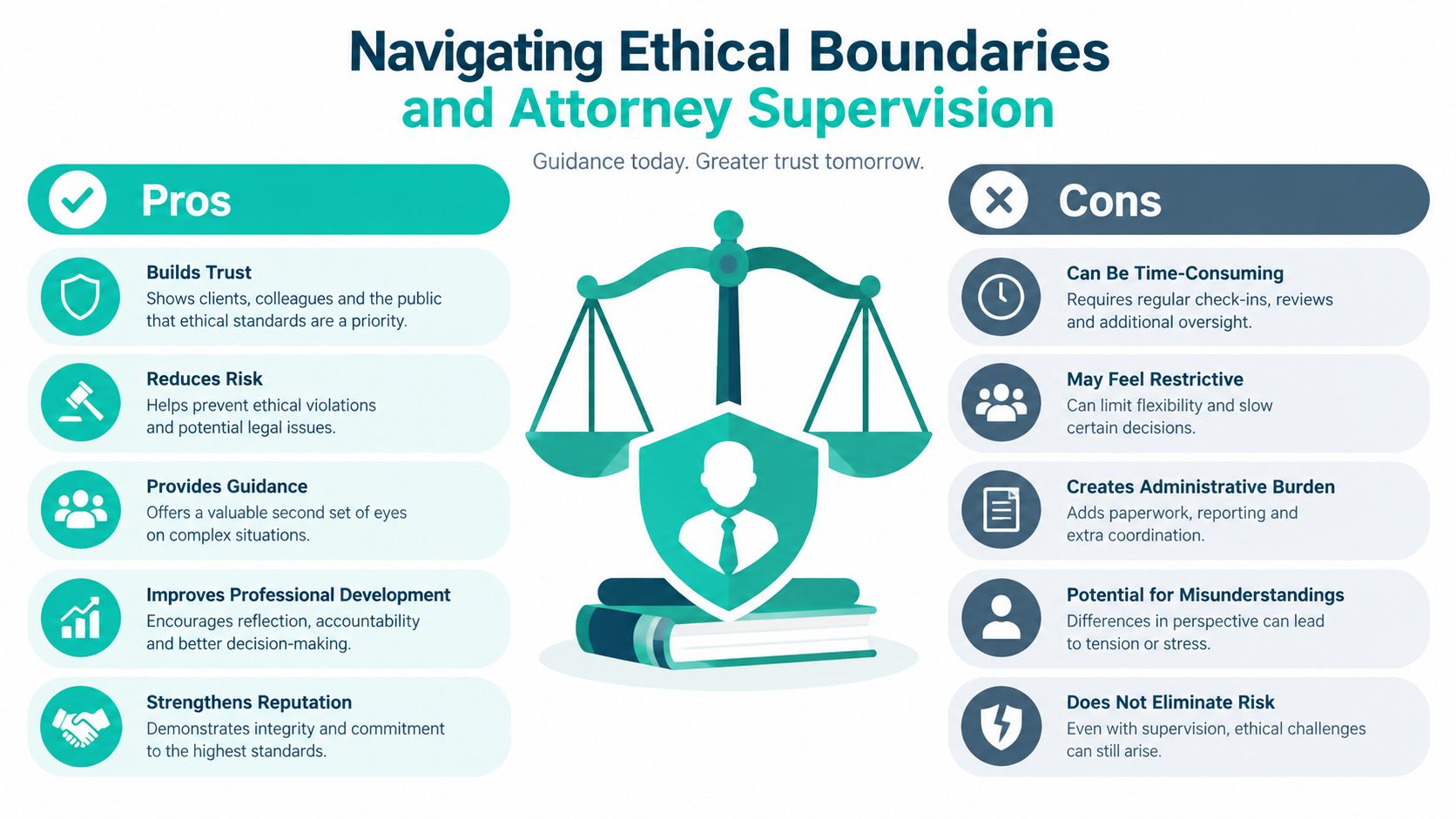
A remote litigation paralegal can add meaningful capacity when the practice has repeatable processes, cloud-based files, clear work ownership, and assignments that do not require physical access to a courthouse or paper file. The arrangement becomes costly when intake is inconsistent, documents follow no naming convention, or attorneys expect someone outside the office to infer preferences that were never documented.
Remote staffing works best when the firm treats it as an operating model rather than a hiring shortcut. Before assigning matters, identify which stages can be completed digitally, which tasks require local presence, and where attorney decisions must remain in the workflow. A remote paralegal can then move cases through defined steps instead of spending paid hours locating information or waiting for direction. Remote paralegal management works best with documented review processes, as outlined in this guide to managing remote legal assistants.
A bilingual English-Spanish paralegal can support clients who need help communicating facts, collecting records, scheduling interviews, or receiving approved procedural updates in Spanish. That support can serve personal injury, immigration, family law, and civil litigation practices. Language ability expands communication capacity, while legal advice and interpretation remain within the attorney's approved boundaries. The paralegal must know when to relay a question rather than answer it.
| Operational Factor | Traditional In-House | Remote Bilingual (LATAM) |
|---|---|---|
| Physical access | Immediate access to local paper files, office equipment, and in-person meetings | Depends on digitized records, secure access, and defined escalation procedures |
| Schedule | Usually tied to the office's local hours | Can provide schedule overlap across U.S. time zones when arranged in advance |
| Language coverage | Depends on the local hiring pool | English-Spanish capability may support multilingual client communication |
| Hiring reach | Primarily local or relocation-based | Broader candidate pool, with prior U.S. law-firm experience available through specialized staffing |
| Supervision | Informal questions can be handled in person | Requires documented instructions, video meetings, messaging norms, and review queues |
| Best fit | Paper-heavy matters, frequent physical tasks, or intensive office collaboration | Digital case management, intake, records coordination, discovery support, and follow-up |
| Main risk | Local hiring constraints and limited coverage during absences | Access control, communication gaps, and over-delegation without a supervision plan |
A remote litigation paralegal needs structure from day one: a matter list, priority labels, due dates, communication standards, and a defined location for final work product. The firm should confirm confidentiality requirements, data access, contractor or employment arrangements, and jurisdiction-specific obligations with qualified counsel or a compliance professional. These controls protect the firm while giving the paralegal enough clarity to work independently on assigned tasks.
The strongest remote assignments have clear inputs, repeatable steps, and observable outputs. Examples include updating case-management records, organizing discovery folders, preparing deposition materials, requesting missing client documents, maintaining medical chronologies, coordinating appointments, and monitoring attorney review queues. These tasks can shorten delays between case events and free attorneys to focus on legal judgment, strategy, negotiations, and court appearances.
The weakest assignments depend on unrecorded office knowledge. If one attorney alone knows how exhibits are named or where final drafts belong, a remote hire will search, ask repeated questions, and risk placing work in the wrong location. The practical response is to document the workflow before assigning it, then test the process on a limited group of matters.
A firm evaluating candidates should score more than typing speed or familiarity with legal terminology:
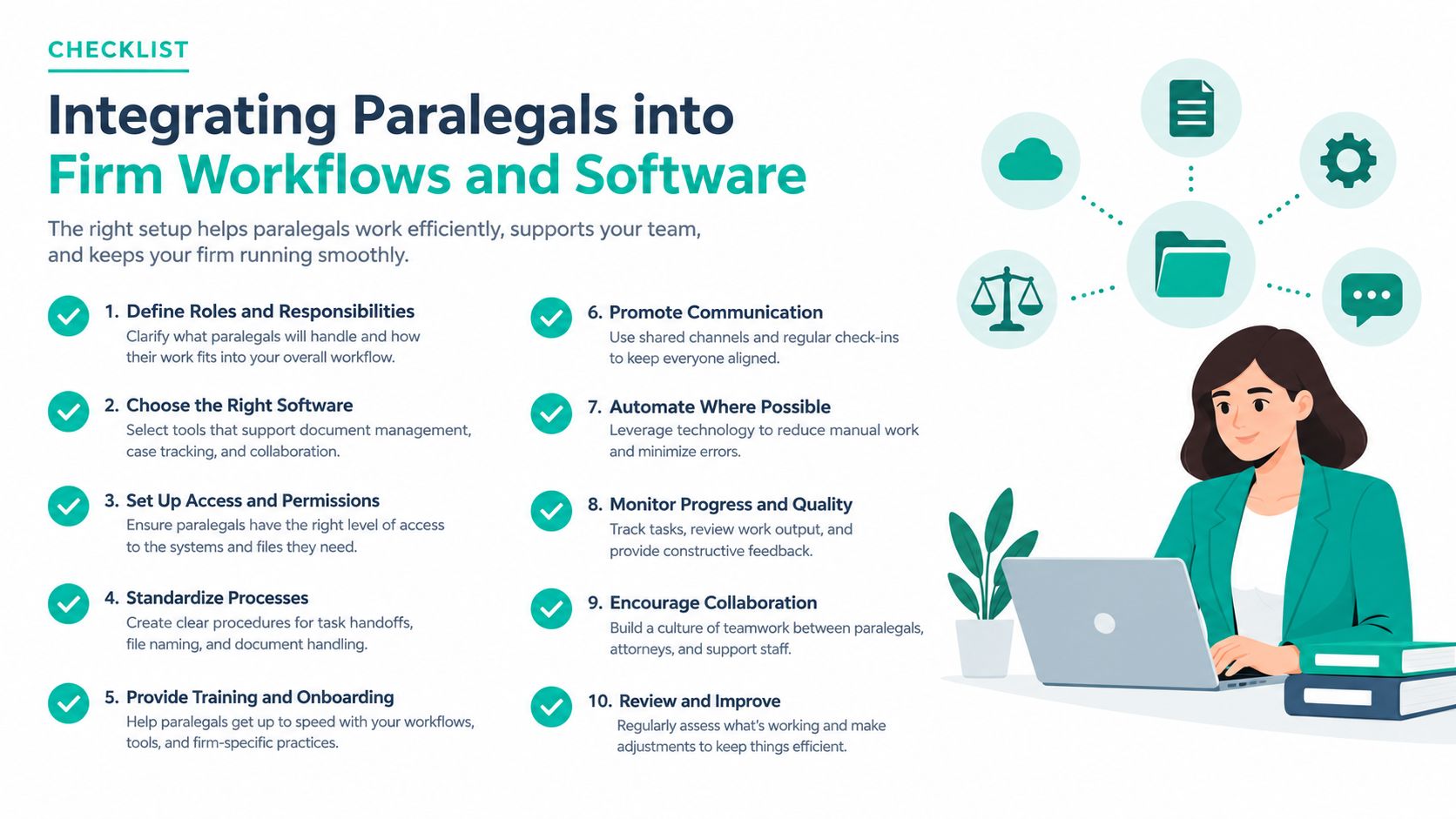
Hiring a capable paralegal doesn't create value until the person can work inside the firm's actual operating system. That system may include Clio, MyCase, Filevine, shared calendars, document-management tools, e-discovery platforms, email, secure messaging, billing software, and court-filing procedures.
The integration plan should start with the firm's cases, not with a generic employee handbook. Identify the recurring work that is delayed, the documents attorneys repeatedly recreate, the deadlines that lack ownership, and the client follow-ups that go unanswered.
During the first phase, give the paralegal a limited set of matters and a written map of the firm's workflow. They should learn the firm's naming conventions, matter stages, billing codes, communication templates, escalation rules, and approval requirements before handling a large independent caseload.
A practical onboarding sequence looks like this:
Secure access is a legal-operations issue, not merely an IT convenience. Use individual accounts, strong authentication, controlled permissions, secure file transfer, and a documented offboarding process. HIPAA may apply to some medical records handled in litigation, but HIPAA compliance isn't established by calling a person or software “HIPAA certified.” The firm should determine its obligations with qualified counsel or a privacy professional and confirm that vendors will enter appropriate agreements where required.
A case-management system should show the next action, owner, due date, and status. If a paralegal uses Clio, MyCase, or Filevine only as a document cabinet, the firm misses much of the operational value. A matter record should help answer, “What is waiting, who owns it, and what must the attorney review?”
The firm should standardize:
A useful legal document-management workflow should make retrieval predictable. The objective isn't to create more administrative work. It's to prevent attorneys from searching across email threads, local folders, and disconnected drives for the current version of a critical document.
During onboarding, review completed work for accuracy, completeness, escalation judgment, and consistency with firm standards. Don't judge performance only by visible activity, such as the number of messages sent or files touched. A smaller number of correctly organized, attorney-ready deliverables may be more valuable than a large volume of poorly controlled updates.
Remote managers should also protect communication quality. Establish where urgent requests go, which channel is used for routine questions, when the paralegal should update a task, and how the team records decisions. Clear operating rules reduce the temptation to send sensitive case information through informal channels or to rely on verbal instructions that nobody can later verify.
A litigation paralegal is the person who keeps a lawsuit operationally coherent. The role includes much more than filing and formatting. A capable paralegal manages deadlines, organizes evidence, coordinates discovery, prepares witnesses and exhibits, summarizes records, and gives attorneys a dependable view of what has happened and what must happen next.
The strongest firms treat the position as a controlled extension of attorney capacity. They define supervision boundaries, protect confidential information, use software consistently, and assign work according to repeatable processes. Remote and bilingual staffing can fit that model when the firm has secure systems, documented procedures, U.S.-aligned collaboration hours, and clear review points.
If your team is losing attorney time to discovery coordination, case updates, document organization, or client follow-up, start by mapping those bottlenecks and separating delegated work from attorney-only decisions. Then evaluate candidates against the actual workflow, not just the job title.
Virtual Legal Assistants connects U.S. law firms with pre-vetted bilingual legal support professionals in Latin America for remote roles such as legal assistants, case managers, intake specialists, and administrative support. If you need help adding structured litigation capacity without losing control of supervision and workflow, visit Virtual Legal Assistants to review your staffing options.